Daylight Balanced Vanity Light

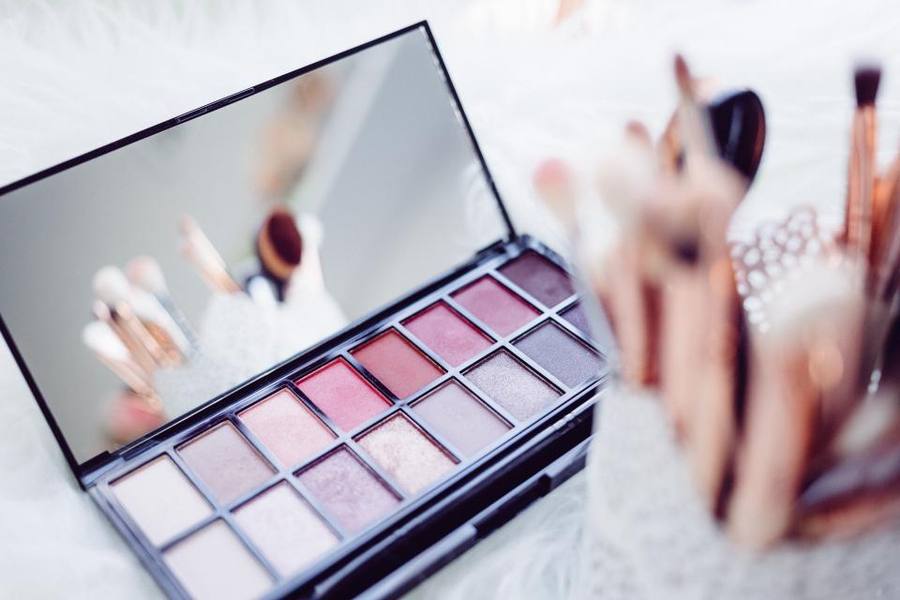
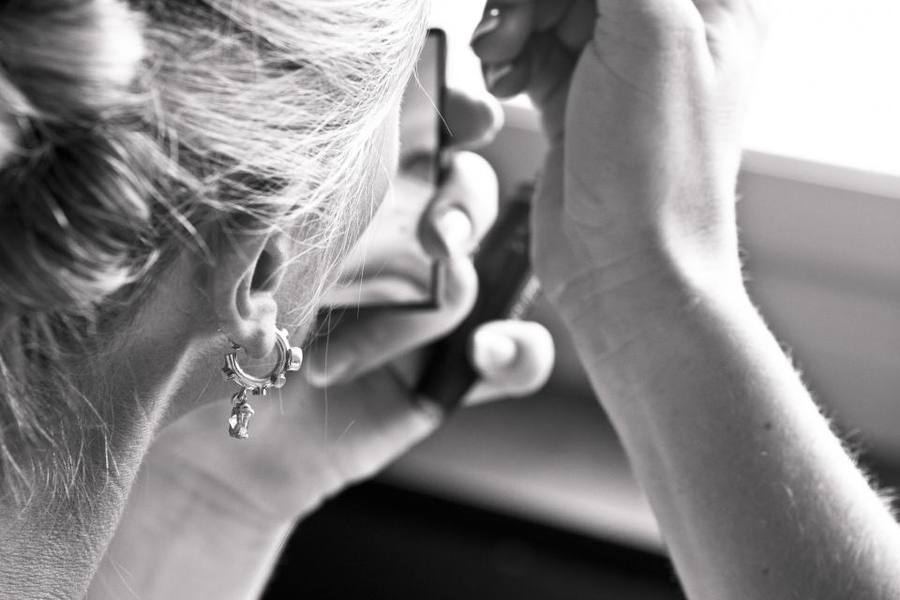
Image illustrative (photo de stock) ; ce n'est pas le produit exact.
Front Lighting Solves The Shadow Problem
Overhead lighting casts shadows downward, which lands them under the brow, nose and chin — the areas most needing visibility.
Light coming from in front at roughly face height eliminates those shadows, and it is why professional makeup and dressing room lighting is arranged that way rather than overhead.
That arrangement, rather than any particular fitting, is what produces the result, and a simple light in the right place beats an expensive one overhead.
Mounting Position And Height
Lights either side of a mirror at roughly eye level produce the most even result, since light arrives from both sides and fills shadows on each.
A single bar above a mirror is better than a ceiling light and still casts some downward shadow, which is a compromise rather than a solution.
Below-mirror lighting, shining upward, produces the unflattering effect familiar from stage lighting and should be avoided.
Colour Temperature Choice
Daylight balanced light around five thousand kelvin is the neutral reference, and it shows colours close to how they appear outdoors.
Warmer light suits a bathroom used for relaxing and misleads for makeup application, which is why adjustable fittings are worth having in a space used for both.
Consistency matters too, and mixing a daylight vanity light with warm bulbs elsewhere in the room produces mixed lighting that is harder to judge in than either alone.
Matching bulbs across a whole bathroom costs very little and removes that problem entirely, which is easier than compensating for it.
Dimming And Glare
A very bright light directly in front at eye level is uncomfortable, and dimmable fittings allow reducing it to a comfortable level without losing the arrangement.
Diffused light is considerably more comfortable than exposed bulbs, and a frosted or opal cover spreads light evenly rather than producing glare and hard shadows.
The classic exposed-bulb dressing room mirror looks the part and is genuinely less comfortable than a diffused equivalent.
Installation And Safety
Bathroom electrical installation is regulated, and fittings must be rated appropriately for proximity to water, which is a legal as well as a safety matter.
Hardwired fittings in a bathroom should be installed by a qualified electrician in most jurisdictions.
Plug-in and adhesive-mounted options exist for a bedroom or dressing area, where the regulations are less restrictive and installation is straightforward.
Bulb replacement is worth checking before buying an integrated fitting, because many modern light bars have LEDs soldered permanently rather than replaceable bulbs, which means the whole unit is discarded when the LEDs eventually dim or fail. A fitting taking standard replaceable bulbs lasts as long as its housing does and lets you change colour temperature later by changing bulbs. For something installed on a wall and expected to stay there, that difference matters considerably more than a small price gap at purchase.
The Verdict
A simple change that solves the actual lighting problem, since light from the front at face height removes the shadows overhead lighting creates.
Position matters more than the fitting, upward lighting is unflattering, and bathroom installation is regulated work.
Put the light in front of you at face height, not above. Position matters far more than which fitting you buy.
En un coup d'œil
Avantages
- Front lighting removes shadows overhead light casts
- Side-mounted pairs fill shadows from both directions
- Daylight balanced light matches outdoor appearance
- Dimmable versions allow comfortable brightness
Inconvénients
- Bright light at eye level causes glare without diffusion
- Upward lighting from below is unflattering
- Bathroom installation is regulated work
- Mixing with warm bulbs elsewhere creates mixed lighting
Questions fréquemment posées
Why is overhead lighting bad?
It casts shadows downward, which lands them under the brow, nose and chin — exactly the areas you need to see. Light from in front at face height eliminates them, which is why professional dressing room lighting is arranged that way.
Where should I mount it?
Either side of the mirror at roughly eye level, so light arrives from both sides and fills shadows on each. A single bar above is better than a ceiling light and still casts some shadow. Never light from below.
Do I need an electrician?
In a bathroom, in most jurisdictions yes — fittings must be rated for proximity to water and installation is regulated. In a bedroom or dressing area, plug-in and adhesive-mounted options make it straightforward.
Spécifications
| Type | Vanity light bar or strip |
| Correct position | In front, at face height |
| Best arrangement | Either side of a mirror at eye level |
| Avoid | Lighting from below |
| Colour temperature | Around 5000 K daylight balanced |
| Diffusion | Frosted or opal cover |
| Dimming | Worth having for comfort |
| Bathroom fitting | Must be appropriately rated; qualified installation |
Résumé
Light from the front at face height, not above. Position matters far more than the fitting you choose.
Vérifier le prix sur Amazon